
Limewash vs. Paint for Utah Brick Exteriors
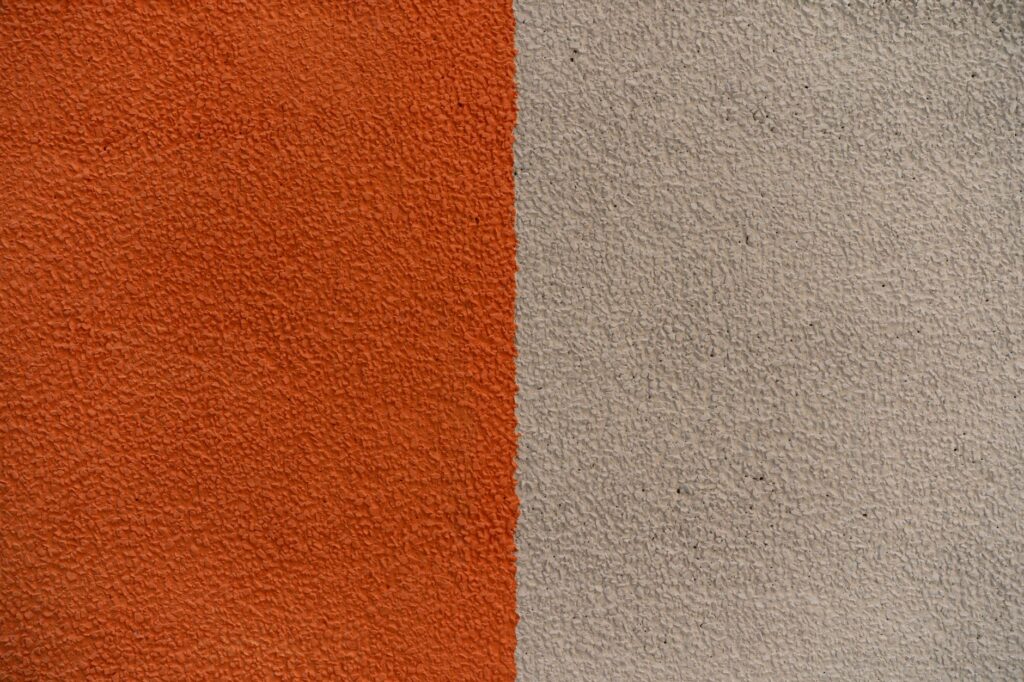
Limewash is a breathable coating made from lime and water that penetrates the brick for a soft, matte look, while paint forms a non-breathable film that sits on the surface for a uniform, solid color. For Utah homeowners, the choice depends on your desired aesthetic, the historic nature of your brick, and your long-term maintenance goals. Both options can beautifully update a brick exterior when applied correctly.
How Do Limewash and Paint Look and Feel?
Limewash provides a chalky, matte finish with subtle color variations that accentuates the brick's texture, while paint delivers a uniform, opaque color in various sheens that covers the texture. The aesthetic difference is the most immediate distinction between the two finishes.
Limewash is a traditional coating made of slaked lime and water that chemically bonds with porous surfaces like brick and stone. It imparts a classic, old-world appearance with a soft, suede-like texture. Because it's slightly transparent, it allows for a dimensional look that can be manipulated during application for a more or less distressed effect, letting some of the original brick show through. This makes it ideal for historic homes or styles aiming for a rustic, European, or timeless feel.
Standard exterior paint, on the other hand, creates a solid film over the brick. This results in a consistent, modern appearance available in a nearly endless range of colors and finishes, from flat to satin. Paint offers a crisp, clean update that can dramatically change a home's appearance, making it a great fit for traditional ranch homes, ramblers, and modern designs needing a fresh, uniform look.
How Do They Bond with the Brick?
Limewash soaks into the brick and calcifies, becoming part of the masonry itself, whereas paint adheres to the top of the brick's surface, forming a separate layer. This fundamental difference in bonding affects the durability and health of the underlying brick.
The application of limewash triggers a chemical reaction. As it cures, it absorbs carbon dioxide from the atmosphere, turning back into limestone (calcium carbonate) and forming a durable, crystalline shell within the brick's pores. Because it becomes part of the brick, the finish is highly "breathable." This allows water vapor to pass through freely, preventing moisture from getting trapped inside the masonry.
Paint adhesion works differently. A high-quality masonry primer and paint form a strong bond to the brick's surface, but this creates a non-breathable barrier. While this film protects against water intrusion from the outside, it can also trap moisture that gets in from other sources. If moisture gets behind the paint, it can lead to peeling, blistering, and chipping.
Which Finish Handles Utah's Climate Better?
Both finishes can perform well in Utah when properly applied, but limewash's breathability offers a distinct advantage during our freeze-thaw cycles, while high-quality paint provides excellent UV resistance against intense sun. Our state’s unique climate puts specific stresses on any exterior coating.
The freeze-thaw cycle, common across the Wasatch Front, is a major concern. Limewash’s breathable nature allows any moisture absorbed by the brick to escape as vapor. This significantly reduces the risk of spalling, which is when the face of the brick flakes off after trapped water freezes and expands.
In contrast, if paint gets chipped or cracked, it allows water to seep behind the paint film. When that water freezes, the ice expansion can push the paint away from the brick, causing widespread peeling and failure that requires significant prep work to repair. For Utah's intense, high-altitude sun, quality acrylic latex paints contain additives that resist fading from UV radiation, helping a solid color look fresh for years. Limewash does not "fade" but instead ages gracefully, developing a natural patina.
What Does Long-Term Maintenance Involve?
Limewash requires minimal maintenance as it ages into a natural patina and can be easily touched up, while painted brick needs to be completely repainted every 7-10 years and requires scraping and priming before a new coat. Their aging processes are completely different.
- Limewash: This finish develops a patina, a soft and gradual aging of the surface that many homeowners find desirable. It wears away very slowly over decades rather than peeling or chipping. Touch-ups are simple, as a new coat of limewash blends seamlessly with the original.
- Paint: Due to sun and weather exposure, paint will eventually fade, chip, or peel. Repainting is a multi-step process that involves power washing, scraping all loose paint, priming bare spots, and then applying one or two new topcoats.
Both surfaces can be gently washed to remove dirt and grime. Limewash also offers the added benefit of being naturally mold-resistant due to its high pH level, keeping the surface cleaner over time.
Can You Remove Limewash or Paint from Brick?
Limewash can typically be removed with a pressure washer within the first few days and with more effort later on, but removing paint from brick is an extremely difficult, costly, and often damaging process that is usually considered permanent. This is perhaps the most critical factor for homeowners who are hesitant to cover their original brick.
Limewash is a forgiving material. If you have second thoughts shortly after application, much of it can be washed off with a hose or pressure washer. Even years later, removal is often possible without resorting to harsh chemicals.
Removing paint from brick is another story. The process requires chemical strippers, sandblasting, or other abrasive methods that are expensive and labor-intensive. Worse, these techniques can permanently damage the face of the brick and the mortar joints, altering the texture forever. For this reason, painting a brick home should be viewed as a long-term, irreversible commitment.
Frequently Asked Questions
Q: Does limewashing brick add value to your home?
A: Limewashing can significantly boost curb appeal, which often adds value to a home. Its timeless, high-end look is very popular, especially for updating older brick homes without sacrificing the material's natural texture and character.
Q: Can you paint over a limewashed brick exterior?
A: Yes, you can paint over limewash. Once the limewash has fully cured, the surface can be prepared with a quality masonry primer and then painted just like any other brick surface, giving you future flexibility.
Q: Is limewash more expensive than paint?
A: The application of limewash is often more labor-intensive than painting, which can make the initial project cost higher. However, its longevity and lower maintenance needs can make it more cost-effective over the life of your home.
Q: How long does limewash last compared to paint?
A: A professionally applied limewash finish can last for decades, gently weathering over time instead of peeling. Exterior paint on brick typically needs to be redone every 7-10 years to maintain its appearance and protective qualities.
Choosing between limewash and paint is about balancing aesthetics, budget, and the long-term goals you have for your home's exterior. Both methods can beautifully transform your brick house, giving it a fresh look that enhances its curb appeal. The key to a lasting, beautiful result is professional application and high-quality materials.
If you are ready to update your home's exterior in Salt Lake County, Utah County, Wasatch County, or Summit County, the experts at Ward Painting Company can help. Contact us today for a free, no-obligation estimate for either limewash or exterior painting services.